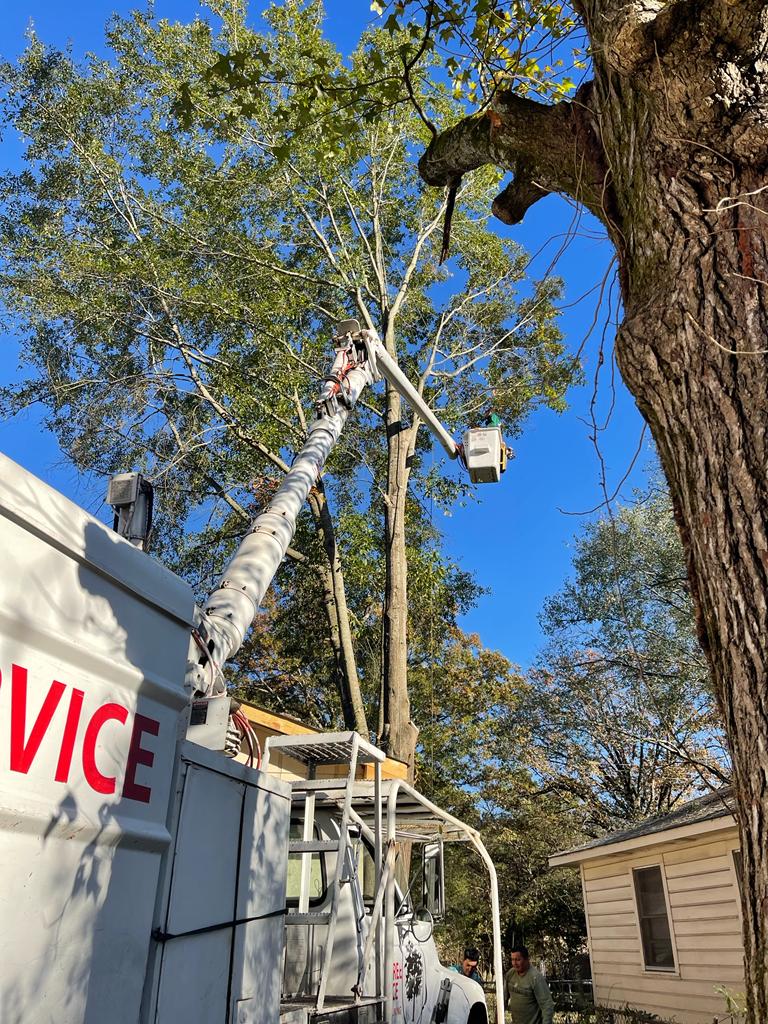
How to Identify When Your Trees Need Removal
Trees are a vital part of our ecosystem, providing shade, beauty, and oxygen. However, there are times when trees become hazardous and need to be removed. Understanding when to remove a tree can save you from potential damage and ensure safety for your property. In this blog post, we will explore key indicators that suggest it might be time to remove a tree.
Signs That Your Tree May Need to Be Removed
- Visible damage or decay
- Leaning at an angle
- Dead branches or leaves
- Fungal growth or mushrooms at the base
- Cracks in the trunk
- Pest infestations
- Roots that are lifting or looking damaged
- Tree is in close proximity to power lines or structures
Visible Damage or Decay
If you notice that your tree has significant visible damage, such as large cracks, bark peeling off, or hollow areas, it may be time to consider removal. These signs indicate that the tree’s structural integrity is compromised.
Leaning at an Angle
A tree that is leaning significantly can be a sign of instability. If a tree has begun to lean, especially after a storm, it may be more prone to falling, posing a risk to people and property.
Dead Branches or Leaves
Trees that have large areas of dead branches or leaves could be dying or diseased. If the condition continues to worsen, it might be necessary to remove the tree to prevent any safety hazards.
Fungal Growth or Mushrooms at the Base
Fungal growth or mushrooms around the base of a tree often indicates that the tree is decaying from the inside. This is a clear sign that the tree may be unhealthy and could need removal.
Cracks in the Trunk
Cracks in the trunk can be a serious indicator of structural failure. If you see significant cracks, it is crucial to have a professional assess the tree's health.
Pest Infestations
If your tree is infested with pests, it may be unable to recover. Pests can weaken a tree significantly and lead to its decline, necessitating removal.
Roots That Are Lifting or Looking Damaged
Roots that are visibly damaged or lifting out of the ground can indicate that the tree is unstable. This can lead to a potential risk of the tree falling, especially during high winds.
Tree Is in Close Proximity to Power Lines or Structures
If a tree is too close to power lines or structures, it poses a significant risk. In such cases, removal might be the best option to ensure safety.
When to Consult a Professional
If you observe any of the above signs, it is advisable to consult a professional arborist. They can provide an assessment of the tree's health and recommend whether removal is necessary. Here are some situations where professional advice is essential:
- If the tree is large or near structures
- When you are unsure about the tree's condition
- After severe weather events
- If you notice any unusual growth patterns
The Tree Removal Process
Removing a tree is a complex process that should be handled by professionals to ensure safety and efficiency. Here are the general steps involved in tree removal:
- Assessment of the tree's condition
- Planning the removal process
- Cutting the tree down safely
- Removing the stump and debris
- Conducting a final inspection
Conclusion
Identifying when a tree needs removal is crucial for maintaining safety on your property. By recognizing the signs of tree distress and consulting with professionals, you can protect your home and loved ones from potential hazards. If you suspect that a tree on your property may be dangerous, do not hesitate to reach out to a qualified tree service like Dylan Tree Services LLC for a thorough evaluation.